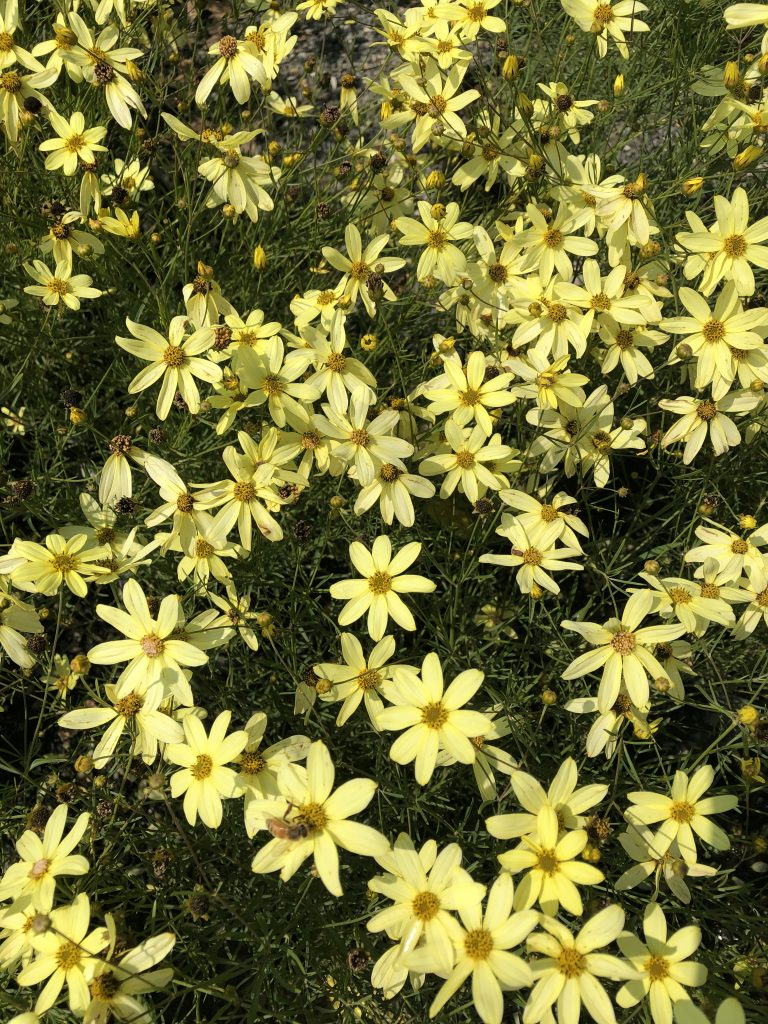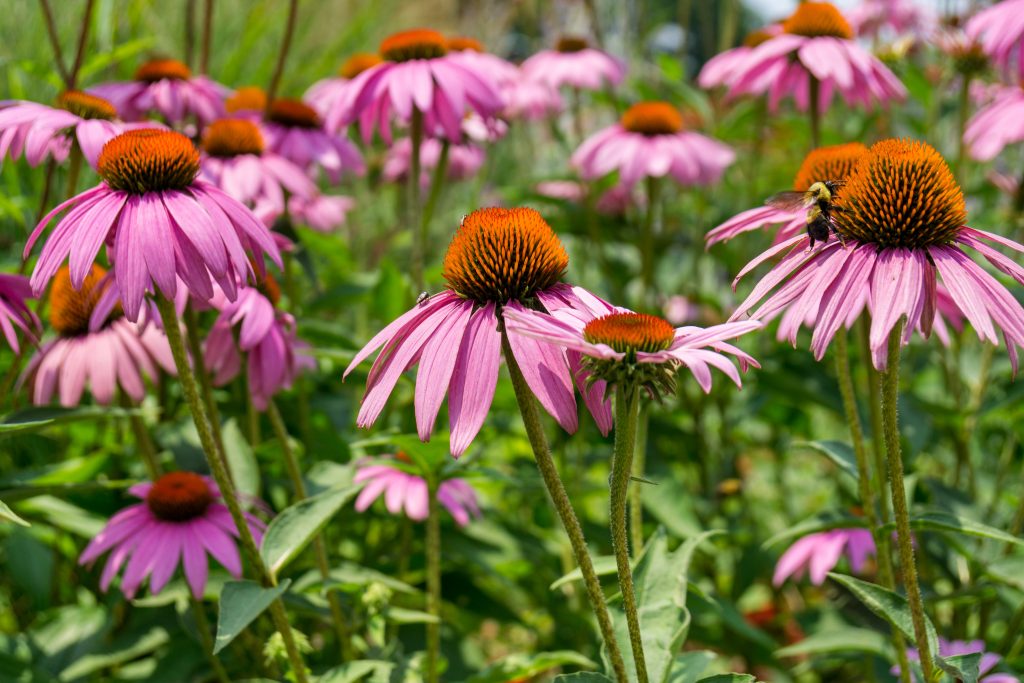
Pink purple cone flowers, echinacea, native perennials, pollinator, attracts birds, gold finches and butterflies

Pollinator Guideline

By Weston Nurseries

Lorem ipsum dolor sit amet, consectetur adipiscing elit, sed do eiusmod tempor incididunt ut labore et dolore magna aliqua. Imperdiet proin fermentum leo vel. Sit amet volutpat consequat mauris nunc. Vulputate dignissim suspendisse in est ante in nibh.

Dictumst quisque sagittis purus sit amet volutpat consequat. Platea dictumst quisque sagittis purus sit amet volutpat consequat. Suspendisse faucibus interdum posuere lorem ipsum. Cum sociis natoque penatibus et magnis dis parturient montes nascetur.

Landscaping Ideas

At quis risus sed vulputate odio. Justo nec ultrices dui sapien eget. Eget duis at tellus at urna condimentum mattis pellentesque. Adipiscing elit ut aliquam purus sit. Egestas tellus rutrum tellus pellentesque eu tincidunt tortor. Facilisis leo vel fringilla est ullamcorper eget.

Lorem ipsum dolor sit amet, consectetur adipiscing elit, sed do eiusmod tempor incididunt ut labore et dolore magna aliqua. Imperdiet proin fermentum leo vel. Sit amet volutpat consequat mauris nunc. Vulputate dignissim suspendisse in est ante in nibh.

Dictumst quisque sagittis purus sit amet volutpat consequat. Platea dictumst quisque sagittis purus sit amet volutpat consequat. Suspendisse faucibus interdum posuere lorem ipsum. Cum sociis natoque penatibus et magnis dis parturient montes nascetur.

At quis risus sed vulputate odio. Justo nec ultrices dui sapien eget. Eget duis at tellus at urna condimentum mattis pellentesque. Adipiscing elit ut aliquam purus sit. Egestas tellus rutrum tellus pellentesque eu tincidunt tortor. Facilisis leo vel fringilla est ullamcorper eget.

Gift Cards

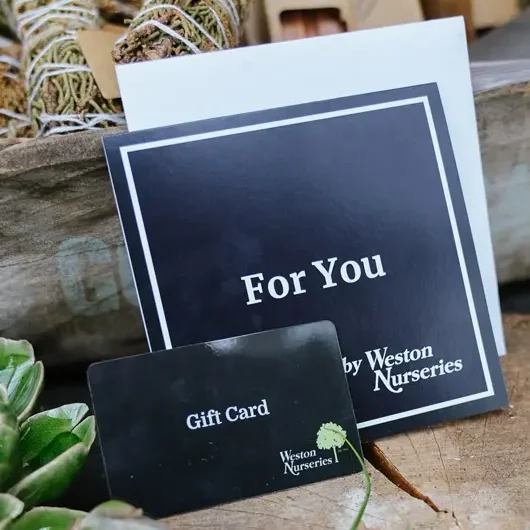
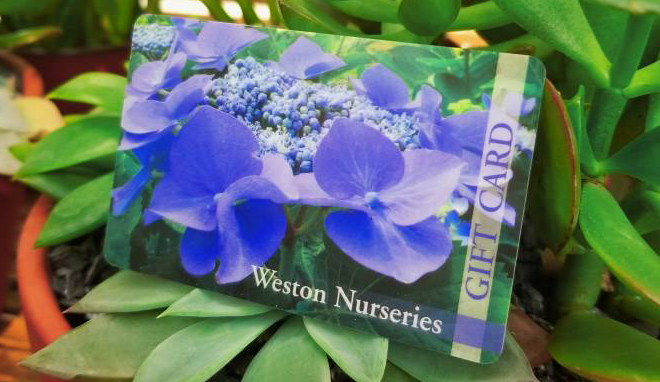
Weston Nurseries Gift Cards are the perfect gift for the gardeners in your life!
Never Expire!

No expiration date, and no monthly fees!​

Good At All Weston Nurseries Locations​

Use them for plants, gifts, decor and more!

Available Online

Buy them at our online store!​

The ways we design our gardens can help support more pollinators. And it’s not simply about the flowers: pollinators, with their life stages, are key connectors in assuring a thriving ecosystem. Larvae of moths, butterflies and other insects rely upon the leaves, bark and fruit of specific woody and herbaceous plants as food sources; these larvae are in turn, critical food sources for birds and animals who help spread seeds. Pollination and seed dispersal are integral to the natural systems that sustain the balance of our environment and ensure genetic diversity.
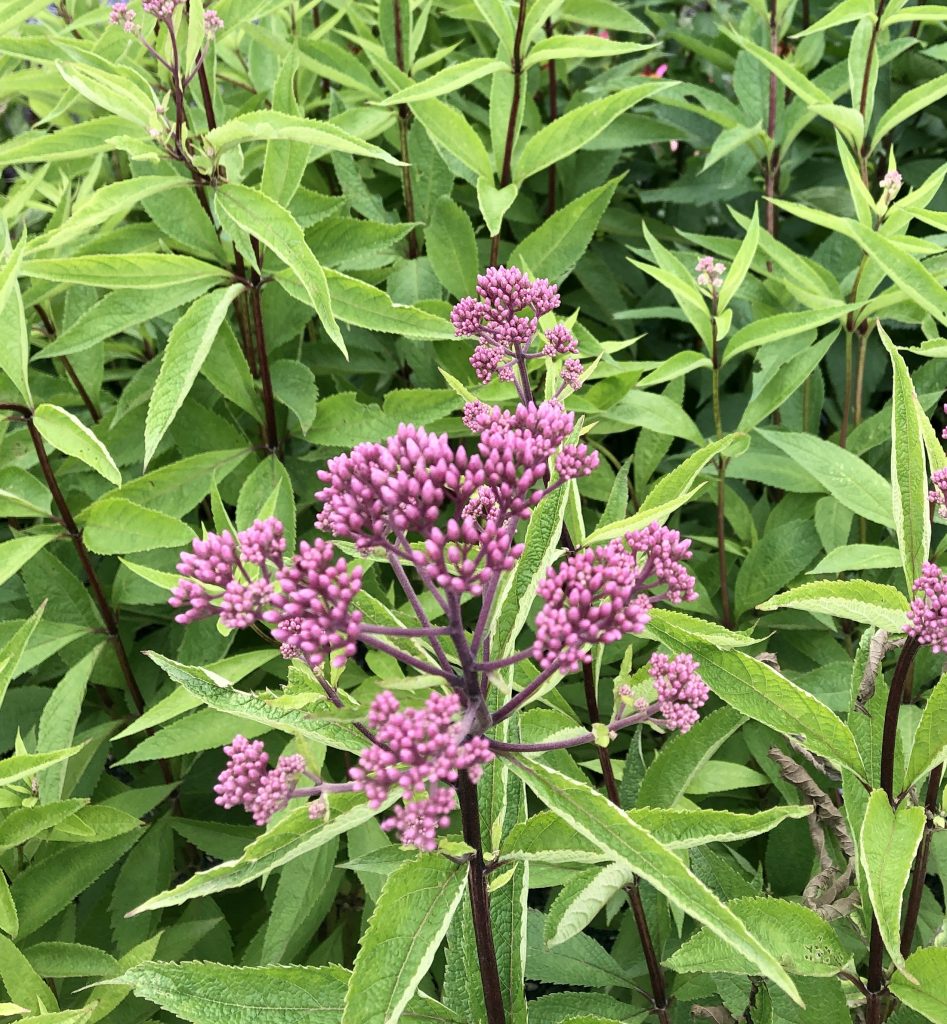
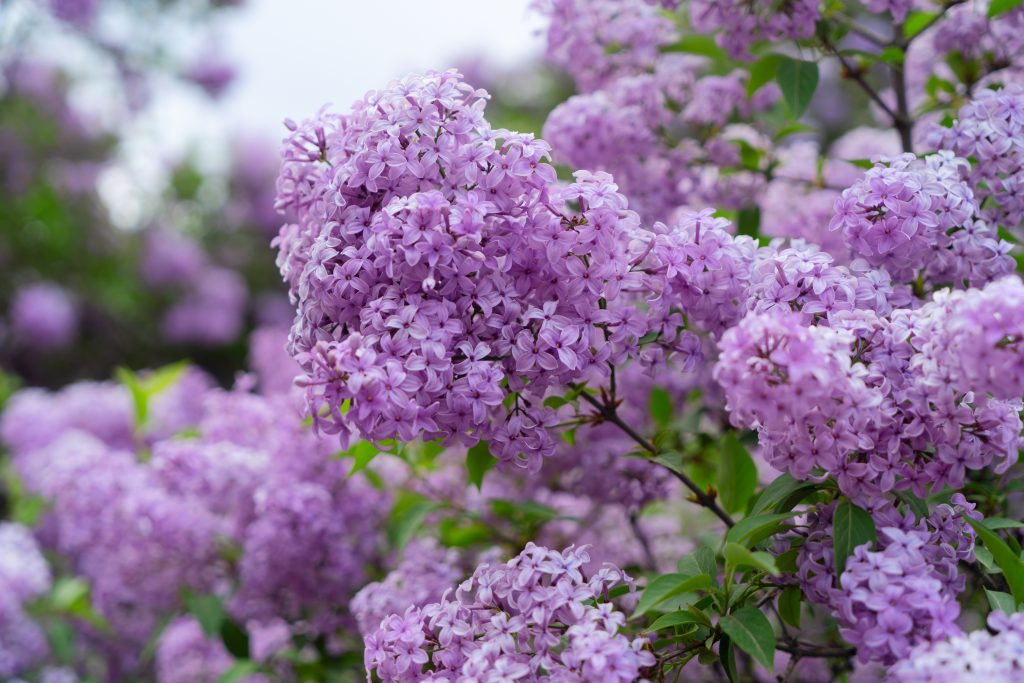
Even a small planting of pollinator-friendly plants can significantly enhance the health and well-being of pollinators.

Here are some basic points to keep in mind when planning a garden that helps sustain pollinators:

  • It’s more than just the nectar and pollen: we need to provide a diversity of plant materials:  trees, shrubs, perennials, annuals, fruiting plants, and grasses. Pollinators need nesting areas, shelter and food for larvae.
  • Flowers: Different shapes, sizes and colors appeal to different types of pollinators.
  • Perennials often provide more nectar than annuals.
  • A range of bloom times from early spring to fall helps sustain pollinators throughout their lifespans.
  • Host plants are necessary for larva of some pollinators, so be prepared for some plant/leaf feeding by pollinators.
  • Native plants tend to be important food sources and habitats for native pollinators.
  • Provide a water source.
  • Be creative and don’t let space limitations keep you from supporting pollinators. Containers and window boxes are terrific places to grow pollinator friendly plants.

Different types of pollinators have distinctive requirements and are attracted by particular types of plants:

  • Bees: There are hundreds of ground- and tree-nesting bee species in the US; some of the most important pollinators for many crops.
    • Blue, purple, violet, white, and yellow flowers with a mild scent 
    • Plentiful nectar
    • Shallow flowers with a landing platform
    • Presence of nectar guides
  • Butterflies: The different life stages of butterflies can have specific and differing habitat needs.
    • Brightly colored flowers, particularly red and purple with a fresh scent
    • Narrow, tube shaped flowers with wide landing pad
    • Ample, deeply hidden nectar
    • Presence of nectar guides
  • Birds: Hummingbirds are the primary birds that play a role in pollination in North America.
    • Brightly colored flowers, generally orange or red with little or no scent
    • Funnel-shaped blooms
    • Ample, deeply hidden nectar
    • Nearby perch support

Considerations in Landscape Management to Protect Pollinators:
  • Limit use of insecticides
  • If insecticides must be used, spray in the evening when pollinators are less active
  • Use organic products when possible
  • Use mulch or perennial groundcovers to suppress weeds
  • Leave some “wild” areas wherever possible around your yard as pollinator habitat.

Fullscreen Mode