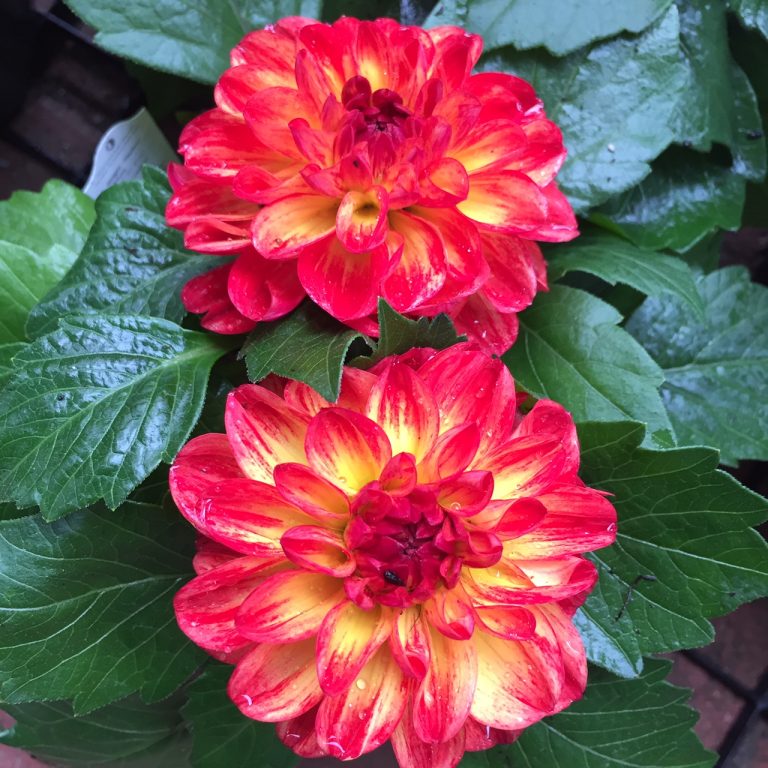
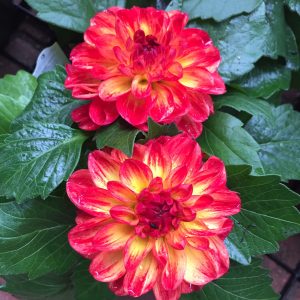
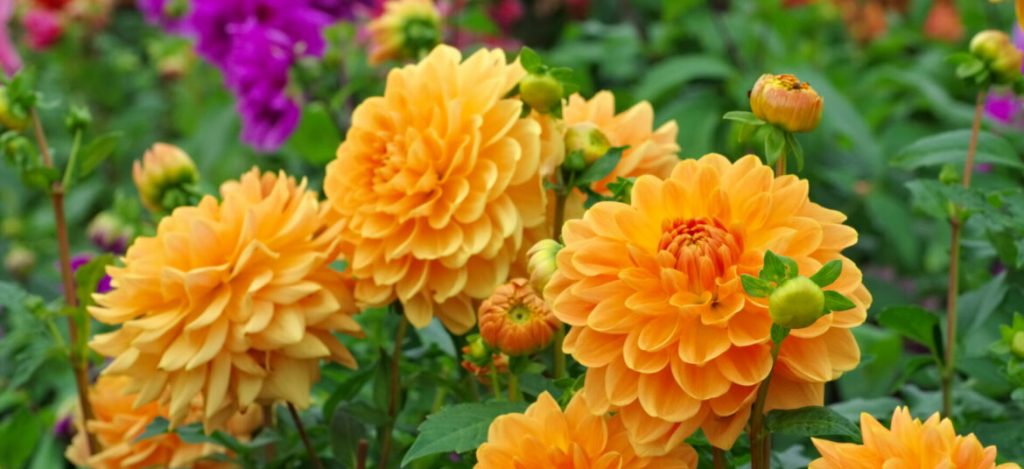
If a summer garden full of vibrant, varied and colorful flowers is your aim, then I’m sure you are familiar to some degree with dahlias. A staple of cutting gardens and summer borders, these frost tender perennials are popular throughout the world as roughly 57,000 different cultivars prove. With flowers in all colors except blue and coming in a dazzling range of sizes and forms, dahlias appeal to many gardeners.
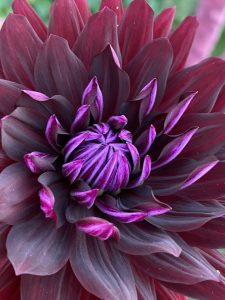 Native to Mexico and Central America where they were grown as a food crop by the Aztecs – evidently the tubers taste like a cross between potatoes and radishes – European botanists preferred their ornamental qualities and these days we are now spoilt for choice with the range of varieties.
While not winter hardy in New England, they do appreciate our northern summers as the sun is not so scorching. Although growing them just as annuals is one way to enjoy them, with a little space in a cool basement or frost-free garage in which to overwinter them it is not difficult to continue to enjoy them year after year.
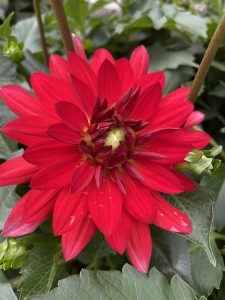 Dahlia tubers start to appear in our stores in late winter, and while they cannot be planted directly outdoors until the soil has warmed and frost is no longer an issue (around mid-May) they can be started in pots indoors to get a head start on our comparatively short growing season. To start indoors, pot them 4-6 weeks before the last frost date, using a lightweight potting mix and place them in bright light until conditions are right to transfer outside.
To plant directly outdoors ensure that the soil is well drained and where necessary, improve with compost. Depending on the variety, tubers should be planted 4-8 inches deep with their “eyes” facing upwards. Tall varieties, such as the large dinner plate varieties, will need staking, so plan to address this if needed.
Once planted, ensuring regular watering and fertilizing will result in better blooms. Until buds appear a general all-purpose fertilizer such as Espoma Garden Food 10-10-10 works well, but thereafter switch to a low nitrogen, bloom boosting fertilizer such as Espoma Garden Food 5-10-5, Miracle-Gro Bloom Booster Flower Food, Neptune’s Harvest Rose & Flowering liquid fertilizer or Jack’s Classic Blossom Booster.
 Depending on the type of dahlia it can be beneficial to pinch the tip shoots to encourage a bushier plant, or if you are aiming for huge flowers, pinching side shoots will concentrate energy into bigger flowers.
They can be susceptible to a few common pests and diseases: aphids, earwigs, slugs and powdery mildew are the most likely problems, but these are easily treated with insecticidal soap, diatomaceous earth and copper fungicide, and they are generally easy to grow for beginners.
Finally, where the growing season is concerned, they should be dug up once the first frosts kill their foliage. Cut the stems back to 4-6” above the tuber, let them dry for few days, shake off excess dirt and then they can be stored in peat, wood shavings or vermiculite at 40-50◦F. Just check on them periodically to ensure they are not drying out or rotting. With care you will have dahlias for many years to come.
Dahlias fall into 15 categories describing their various flower characteristics, some of which resemble other flowers, but growers sometimes use different descriptions to help customers.
At our nurseries popular groups include:
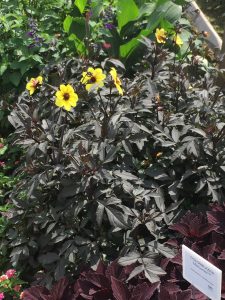
And if the flowers aren’t enough, some varieties even come with burgundy foliage, setting off their flowers to great effect.
With so many colors, size and forms in a plant that is easy to grow, it is easy to see dahlias’ enduring appeal to so many gardeners. And if you catch the dahlia bug, check out the New England Dahlia Society’s website where you will find plenty of interest!